
While green shoots are beginning to emerge, with June sales rebounding to pre-Covid levels thanks to a rural revival, most FMCG chief executives have voiced concerns about localised lockdowns that began in July and have extended into August in some states.
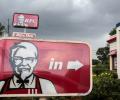
in the last three months, brands such as Tata Starbucks, KFC, and Pizza Hut have launched drive-through or kerb-side delivery services at their restaurants to catch consumers nervous about dining in.

'That it is happening in the second half of the year, during the festive season, will only encourage many to step up advertising.'

While JioMart is doing 250,000 orders per day, BigBasket and Amazon pantry are doing 220,000 and 150,000 orders, respectively.

Overall, the domestic FMCG market bounced back to levels of 98 in June compared with 75 in May and 101 in March before the nationwide lockdown was announced. The pre-Covid March index for foods was 103, and for non-foods, it was 99.
Rajiv Suri's resignation is effective August 25, the company said in a stock exchange filing. Suri quit for personal reasons and would pursue a career outside India, it added.

We are adapting to the situation by innovating new delivery modelss, launching brand campaigns that are impactful in the current context and closely monitoring changes in consumer buying behaviour, he said.

For a product initially positioned as a "closet mate" which could help improve a woman's marital prospects, HUL Chairman Sanjiv Mehta says the communication now is all about women's empowerment.

Pegged at $1.8 billion in construction deal size, The London Resort, which is located 17 minutes outside London, has attracted bids from three other construction majors from across the world.
Mandates have been handed out to staffing solutions companies such as Randstad India and TeamLease, officials at these firms have said, as players increasingly push into rural areas to capitalise on the uptick in the hinterlands.

While HUL's Fair & Lovely was launched in 1975, Emami's Fair & Handsome was unveiled in 2005. Both companies now straddle both the men's and women's fairness categories in the country.

The smartphone category as a whole was expected to spend around Rs 1,000 crore on marketing and promotional activities over the next six months, even as India unlocks gradually, said media industry experts. This spending is expected to come down, as firms temper their launches.

Among the options being weighed are discounts on existing rentals, short-term deferrals, and 50 per cent waivers.

Prime was the first to grab streaming rights for seven titles for an estimated Rs 300 crore.

Movie theatres may reopen around the second week of July.

Gulabo Sitabo was made with a budget of Rs 40 crore to Rs 45 crore. Amazon Prime bought the streaming rights for Rs 60 crore to Rs 65 crore, helping the producers make over Rs 20 crore.

From auto, refrigerator, and mobile handset makers to real estate firms, companies are tying up with banks to dole out attractive finance schemes and discounts to make buying more affordable.

At the heart of the matter are revenue-share rental agreements that retailers are mooting over fixed-rent contracts that they say are unsustainable, given the revenue loss they've suffered during the lockdown.
Clearly, the domestic market has taken sharp knocks in April, which is likely to be visible in May as well, said analysts tracking the market, as FMCG companies are grappling with improving capacity utilisation and dealing with labour shortage.

'While OTTs are a reality, big film producers will prefer a theatrical release before a digital one.'
 © 2025 Rediff.com - Investor Information - Advertise with us - Disclaimer - Privacy Policy - Sitemap - Feedback - About us - Terms of use - Grievances